These books provide solid foundational knowledge on environmental issues, biodiversity, ecology, and sustainable development, all of which are crucial for UPSC exams.
When we think of the savanna, we envision a dynamic ecosystem of grasslands and scattered trees, teeming with wildlife. Yet, beneath the surface, a less visible but equally vital force silently contributes to the health of the ecosystem: earthworms. In this blog post, we’ll dig into the fascinating world of earthworms in the savanna and explore their role as underground engineers shaping the very foundation of this diverse landscape.
Biodiversity Beneath the Surface:
While the charismatic megafauna and iconic trees of the savanna capture our attention, it’s essential to recognize the incredible biodiversity beneath our feet. Earthworms, belonging to various species, are crucial players in the intricate web of life. Their presence influences soil structure, nutrient cycling, and even the abundance of certain plant species.
Soil Aeration and Structure:
Earthworms are known for their ability to burrow through the soil, creating a network of channels that enhance aeration and water infiltration. In the savanna, where dry and wet seasons alternate, this natural aeration is crucial for maintaining soil health. By loosening the soil, earthworms create spaces for roots to grow, facilitating the movement of water, air, and nutrients through the ecosystem.
Nutrient Cycling and Soil Fertility:
Earthworms are masters of nutrient cycling. As they consume organic matter like fallen leaves and plant debris, they excrete nutrient-rich castings, often referred to as “black gold.” These castings are loaded with essential nutrients like nitrogen, phosphorus, and potassium, providing a natural fertilizer for the surrounding vegetation. In the savanna, where nutrient availability can be a limiting factor, earthworms play a critical role in sustaining the fertility of the soil.
Ecosystem Interactions:
The presence of earthworms influences various aspects of the savanna ecosystem. Their activities affect the distribution and abundance of plant species, as some plants are more dependent on the nutrient-rich environments created by earthworms. Additionally, the burrows and castings of earthworms serve as microhabitats for other organisms, contributing to overall biodiversity in the soil.
Adaptations to Savanna Conditions:
Earthworm species in the savanna have evolved specific adaptations to cope with the challenges of the environment. Some species are more resilient to the alternating dry and wet seasons, exhibiting behaviors such as burrowing deeper during dry periods and surfacing during wetter conditions.
List of Earthworms in Savanna
Eudrilus eugeniae: The Composting Earthworm
Known for its composting prowess, Eudrilus eugeniae, also called the African Nightcrawler, is a common inhabitant of the savanna. These earthworms are adept at breaking down organic matter, converting it into nutrient-rich castings that enhance soil fertility. Their activity is particularly crucial in regions with fluctuating moisture levels, such as the savanna.
Millsonia omodeoi: The Savanna Specialist
Endemic to the savanna ecosystems of Africa, Millsonia omodeoi is a burrowing earthworm species that has adapted to the specific conditions of these landscapes. Its burrows help aerate the soil, promoting better water infiltration and nutrient distribution, making it a key player in maintaining soil health.
Drawida willsi: The Deep Digger
In savannas where the soil can be compacted, Drawida willsi, or the African Blue Worm, stands out as a deep-digging earthworm. With a remarkable ability to burrow into harder soils, these worms contribute to soil structure improvement and provide pathways for water movement, crucial during both dry and wet seasons.
Amynthas gracilis: The Topsoil Transformer
Amynthas gracilis, commonly known as the Asian Jumping Worm, has made its way to various parts of the world, including some savanna regions. These invasive earthworms are known for their voracious appetite for leaf litter, transforming the topsoil by accelerating the breakdown of organic matter. While their impact can be complex, they are undeniably a part of the savanna earthworm community.
Polypheretima elongata: The Giant Savanna Earthworm
As the name suggests, Polypheretima elongata is a large earthworm species found in savannas. These giants contribute significantly to the ecosystem by creating extensive burrow systems, facilitating water movement, and enhancing the overall aeration of the soil.
Conclusion:
As we explore the wonders of the savanna, let’s not forget the hidden heroes beneath the surface—earthworms. These unsung underground engineers play a vital role in maintaining soil health, fostering biodiversity, and contributing to the resilience of the entire ecosystem. The savanna, with its diverse tapestry of life, owes much of its vitality to the silent, persistent work of these remarkable creatures.
When we think of savannas, we envision vast grasslands dotted with acacia trees and teeming with a diverse array of wildlife. However, hidden beneath the surface and often overlooked, there exists a fascinating and lesser-known world – the realm of mushrooms in the savanna. In this blog post, we will delve into the intriguing relationship between these enigmatic fungi and the unique ecosystems of the savanna.
The Challenge of Survival:
Savannas are characterized by their distinct dry and wet seasons, with a climate that can be harsh and unforgiving. The prevalence of grasses and scattered trees doesn’t immediately conjure images of mushroom-covered landscapes. Yet, mushrooms, being resilient organisms, have found ways to adapt and thrive even in these seemingly inhospitable conditions.
Seasonal Emergence:
One of the remarkable aspects of mushrooms in the savanna is their seasonal emergence. During the wet season, when the rains transform the landscape, the increased moisture provides an opportune environment for certain fungi to bloom. The mycelium, the underground network of fungal threads, responds to the changing conditions and gives rise to the fruiting bodies we recognize as mushrooms.
Hotspots of Fungal Activity:
While mushrooms might not be as abundant as in more traditionally fungal-friendly environments like forests, there are specific hotspots in the savanna where fungal activity is more pronounced. Areas around the bases of trees, where organic matter accumulates, and locations enriched with animal dung become fertile grounds for mushroom growth. These pockets of life showcase the adaptability and resourcefulness of fungi in the face of challenging surroundings.
Biodiversity of Savanna Mushrooms:
The mushrooms found in savannas vary widely, depending on the local climate, soil composition, and the types of vegetation present. Some species are well-adapted to the specific conditions of savannas, playing crucial roles in nutrient cycling and ecosystem dynamics. Exploring the biodiversity of savanna mushrooms unveils a rich tapestry of colors, shapes, and ecological interactions that contribute to the overall health of these ecosystems.
Types of mushrooms in the savanna
Termitomyces titanicus: The Termite Mound Mushroom
One of the most fascinating mushrooms found in savannas is the Termitomyces titanicus. As its name suggests, this colossal fungus often emerges near termite mounds. These mushrooms have a mutually beneficial relationship with termites, forming a mycorrhizal association that aids both organisms. The termites provide a conducive environment for the fungus to grow, and in return, the fungus helps break down organic matter, recycling nutrients for the benefit of the entire ecosystem.
Amanita jacksonii: The Savanna Caesar
Recognizable by its striking orange to red cap and white warts, Amanita jacksonii is a mycorrhizal mushroom that forms symbiotic relationships with trees in the savanna. This species is not only aesthetically pleasing but also serves an essential ecological role in nutrient exchange with its host plants.
Psilocybe cubensis: The Magic Mushroom
In some savanna regions, particularly those with higher humidity levels, you might encounter Psilocybe cubensis. Known for its psychoactive properties, this mushroom has been used in cultural practices for centuries. It’s crucial to approach such mushrooms with caution, respecting their cultural significance and understanding the potential risks associated with their consumption.
Laccaria bicolor: The Beneficial Mycorrhizal Partner
Laccaria bicolor is a mycorrhizal fungus commonly found in savannas. It forms symbiotic relationships with various trees, aiding in nutrient uptake and enhancing the trees’ ability to withstand stress. The delicate, colorful caps of Laccaria bicolor add a touch of beauty to the savanna floor while silently contributing to the health and resilience of the ecosystem.
Panaeolus africanus: The Dung-loving Mushroom
In savannas, where large herbivores roam, mushrooms like Panaeolus africanus thrive in areas with animal dung. These saprophytic mushrooms play a vital role in breaking down organic matter, recycling nutrients, and contributing to the nutrient cycle in the savanna ecosystem.
Conclusion:
Mushrooms in the savanna may not steal the spotlight from the charismatic megafauna or the iconic baobab trees, but they play an essential role in the intricate web of life in these environments. As we continue to explore and understand the diversity of life on our planet, let’s not forget to marvel at the hidden wonders beneath our feet, where mushrooms in the savanna quietly contribute to the magic of these remarkable landscapes.
The savanna, where the vibrant tapestry of life unfolds. It contains different types of fungi in the savanna and has majestic trees and roaming wildlife. In this blog post, we embark on a fascinating journey to uncover the rich diversity of fungi that thrive in the unique ecosystem of the savanna. From symbiotic relationships to decomposer roles and beyond, we delve into the various types of fungi that play crucial roles in sustaining life in this captivating biome.
The savanna, with its vast, sun-drenched plains and scattered acacia trees, paints a picture of a simple ecosystem. But beneath the swaying grasses and grazing wildlife lies a realm teeming with life – the kingdom of fungi. These unassuming organisms play critical roles in the savanna’s health, acting as decomposers, symbiotes, and even nature’s silent chefs.
Decomposers: Nature’s Recycling Crew
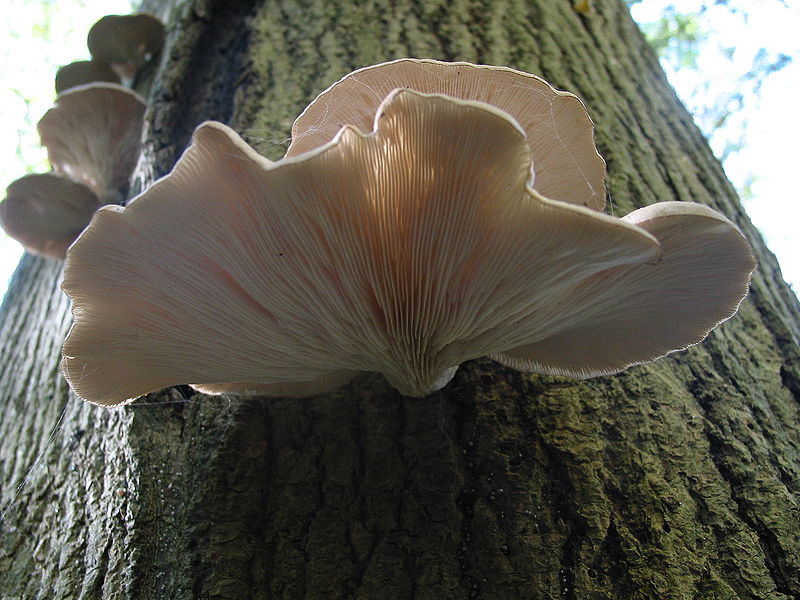
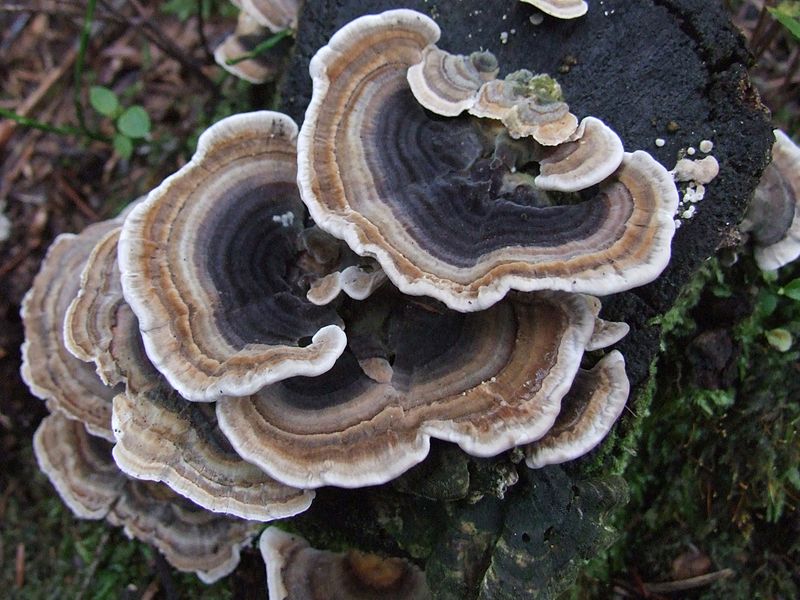
Imagine the savanna after a season of lush growth. Leaves fall, branches break, and dung accumulates. What happens to all this organic matter? Enter the decomposers, nature’s cleanup crew. Fungi like the oyster mushroom (Pleurotus ostreatus) and the turkey tail (Trametes versicolor) step in, breaking down these materials into simpler forms.
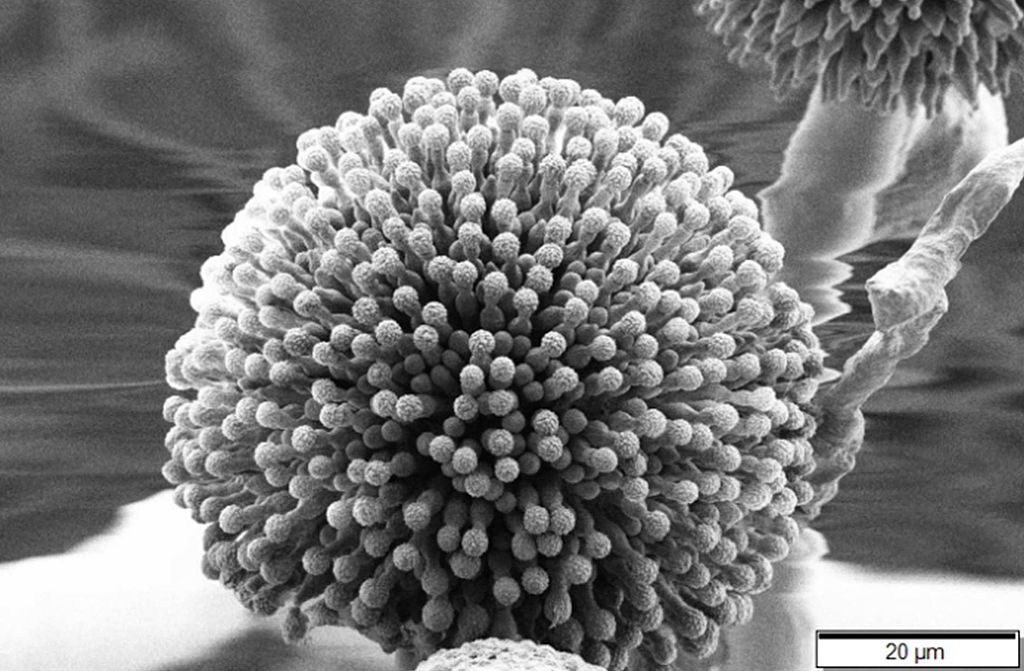
They act as nature’s recyclers, returning vital nutrients like nitrogen and phosphorus back to the soil. This fuels new plant growth, ensuring the savanna’s continued fertility. But their work doesn’t stop there. Some fungi, like Aspergillus niger, have a special talent for breaking down dung, keeping the termite mounds clean and functional.
Pleurotus ostreatus
While the classic image of Pleurotus ostreatus, the oyster mushroom, might be sprouting from a damp log in a temperate forest, this versatile fungus has a surprising presence in the African savanna. Here, it plays a vital role as a decomposer and even offers a potential food source for local communities.
Adapting to the Savanna
Unlike their woodland counterparts, savanna oyster mushrooms face a harsher environment. They must endure scorching sun, erratic rainfall, and competition from other decomposers. But Pleurotus ostreatus is a survivor. It thrives on dead trees, branches, and even termite mounds, utilizing its efficient lignin-degrading enzymes to break down tough cellulose-rich materials.
This decomposition process plays a key role in the savanna’s nutrient cycle. By returning valuable minerals like nitrogen and phosphorus to the soil, oyster mushrooms contribute to the growth of new vegetation, supporting the ecosystem’s delicate balance.
A Potential Food Source
While not traditionally a staple food in savanna communities, Pleurotus ostreatus is gaining recognition as a potential source of nutritious and sustainable protein. Its ease of cultivation on agricultural waste like straw or cotton stalks makes it a promising candidate for local food production, especially in areas facing food insecurity.
Imagine a future where savanna communities cultivate oyster mushrooms not just for their ecological benefits, but also for their delicious taste and nutritional value. This could empower local populations, promote food security, and contribute to a more sustainable relationship with the savanna’s resources.
Trametes versicolor
Trametes versicolor, commonly known as turkey tail, is a wood-decaying fungus that is found in a variety of habitats, including the savanna. It is a decomposer, meaning that it breaks down dead wood and other organic matter, releasing nutrients back into the soil. This helps to maintain the health of the savanna ecosystem.
Trametes versicolor is a brightly colored fungus, with a fan-shaped cap that can be yellow, orange, brown, or even black. It is sometimes mistaken for another common wood-decaying fungus, Ganoderma lucidum, which is also known as reishi.
Uses of Trametes versicolor
Trametes versicolor is a medicinal fungus that has been used in traditional Chinese medicine for centuries. It is believed to have a variety of health benefits, including boosting the immune system, fighting cancer, and reducing inflammation.
Research into the medicinal properties of Trametes versicolor is ongoing, but there is some evidence to support its traditional uses. For example, one study found that Trametes versicolor extract can help to boost the immune system in mice. Another study found that Trametes versicolor extract can help to inhibit the growth of cancer cells.
Trametes versicolor is a valuable member of the savanna ecosystem. It plays a vital role in decomposition and may also have potential medicinal benefits.
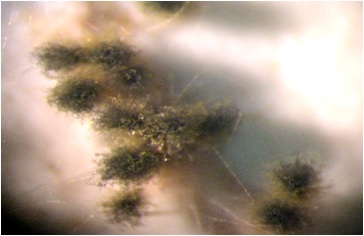
Aspergillus niger
Aspergillus niger, a common yet fascinating fungus, thrives in the diverse landscapes of the savanna. Unlike its flashy cousins like the oyster mushroom, Aspergillus niger plays a vital but often unseen role – that of the master decomposer.
Cleaning Up the Savanna:
Imagine the savanna after a feast – scattered dung, fallen leaves, and debris left by grazing animals. This is where Aspergillus niger shines. Its microscopic spores, carried by the wind, land on this organic matter and begin their work. They secrete potent enzymes that break down complex molecules like cellulose and lignin, transforming them into simpler forms readily absorbed by the soil.
But Aspergillus niger isn’t just a glutton for waste; it’s a silent helper. By decomposing dung, it prevents the spread of harmful pathogens, keeping the ecosystem healthy. It also plays a crucial role in nutrient cycling, releasing valuable nitrogen and phosphorus back into the soil, and fueling the growth of new savanna life.
Beyond Dung and Debris:
Aspergillus niger’s talents extend beyond dung mounds and leaf litter. It can even partner with termites, helping them break down wood and digest cellulose in their mounds. This mutually beneficial relationship ensures both the fungus and the termites have access to vital nutrients.
A Potential Bioremediation:
The savanna isn’t immune to human impact. Pollution from agriculture and other activities can contaminate soil and water. Aspergillus niger, with its powerful degradative abilities, is being explored as a potential bioremediation. Its enzymes might be harnessed to break down pollutants like pesticides and heavy metals, contributing to a cleaner and healthier savanna.
The Unassuming Hero:
Aspergillus niger might not have the flashy looks of a lion or the majestic stature of an acacia tree, but its quiet work is essential for the savanna’s well-being. It’s a testament to the power of the small and often unseen, reminding us that nature’s magic lies not just in the grand, but also in the subtle and essential.
Fungus Farmers: Ants with a Green Thumb
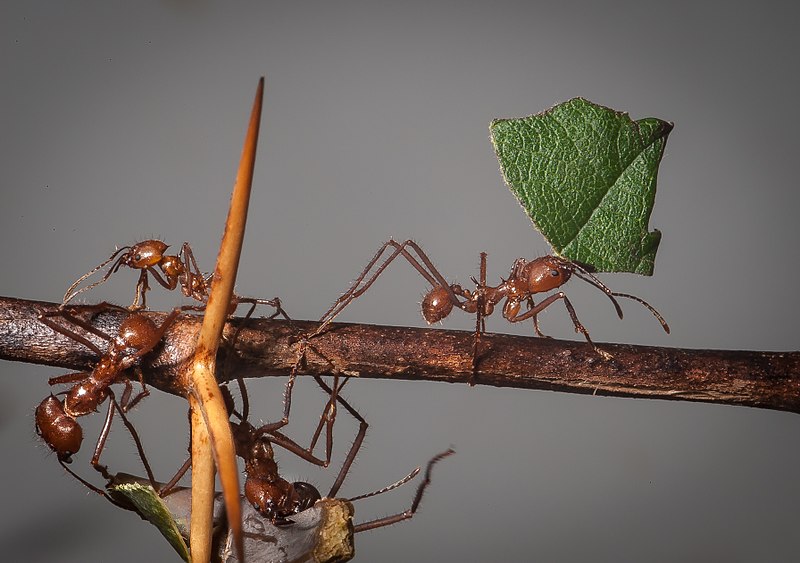
Leafcutter ants are the savanna’s resident mycologists. They don’t just collect leaves; they cultivate them! These industrious ants gather specific leaves and meticulously arrange them in underground gardens. But they’re not growing vegetables – they’re nurturing a special type of fungus, Leucoagaricus spp.
Leafcutter ants are the savanna’s resident mycologists. They don’t just collect leaves; they cultivate them! These industrious ants gather specific leaves and meticulously arrange them in underground gardens. But they’re not growing vegetables – they’re nurturing a special type of fungus, Leucoagaricus spp.
The ants cultivate these fungi just like humans tend to crops. They weed out unwanted fungi, control the temperature and humidity, and even prune the fungus to encourage growth. In return, the fungi provide the ants with a nutritious food source, ensuring the colony’s survival and prosperity. It’s a fascinating example of how fungi and animals can form complex partnerships for mutual benefit.
Leucoagaricus spp
Leucoagaricus spp. are indeed fascinating fungi, and their story in the savanna goes beyond simply being the leafcutter ants’ food source. Here’s a deeper dive into their multifaceted role:
Beyond the Ant Garden:
While their partnership with leafcutter ants is undoubtedly their claim to fame, Leucoagaricus spp. are also independent players in the savanna ecosystem. They thrive on dead leaves and debris, contributing to the breakdown of organic matter and nutrient cycling. This decomposition process supports the growth of various plants and insects, contributing to the savanna’s web of life.
Savanna Specialists:
Leucoagaricus spp. haven’t just adapted to the savanna; they’ve become specialists. Some species have developed heat-resistant spores, allowing them to survive wildfires and even colonize burned wood, playing a crucial role in post-fire regeneration. Others have evolved to tolerate the harsh dry seasons, ensuring their survival during periods of limited rainfall.
Medicinal Potential:
Like many fungi, Leucoagaricus spp. are attracting scientific interest for their potential medicinal properties. Studies suggest they possess antimicrobial, antioxidant, and even antitumor activities. While research is still in its early stages, the possibility of unlocking valuable natural compounds from these savanna fungi is exciting.
A Model for Sustainable Agriculture:
The symbiotic relationship between leafcutter ants and Leucoagaricus spp. is a natural example of sustainable agriculture. The ants cultivate their food source efficiently, minimizing waste and maximizing output. This closed-loop system offers valuable insights for researchers exploring sustainable food production methods that are less reliant on external resources.
Future Frontiers:
As we delve deeper into the world of Leucoagaricus spp., numerous questions arise: What are the specific biochemical pathways involved in their growth and nutrient production? Can we harness their heat-resistant or antimicrobial properties for our benefit? How can we learn from their efficient recycling system to create more sustainable agricultural practices?
Leucoagaricus spp.: A Hidden Gem of the Savanna
These unassuming fungi are far from just the leafcutter ants’ meal ticket. They are decomposers, savanna specialists, potential sources of medicine, and models for sustainable agriculture. As we continue to unravel their secrets, they might offer valuable solutions for environmental challenges and inspire new ways of thinking about our relationship with the natural world.
Hidden Treasures: The Unseen Wonders of the Savanna
The savanna’s fungal world extends far beyond the visible mushrooms and bracket fungi. Microfungi, the tiny yeasts and molds, play a crucial role in decomposition, contributing to the breakdown of organic matter and nutrient cycling. They’re like the unseen heroes working tirelessly behind the scenes.
Fungi of the Savanna: Unveiling the Hidden Kingdom Beneath the Grasslands
The savanna, with its vast, sun-drenched plains and scattered acacia trees, paints a picture of a simple ecosystem. But beneath the swaying grasses and grazing wildlife lies a hidden realm teeming with life – the kingdom of fungi. These unassuming organisms play critical roles in the savanna’s health, acting as decomposers, symbiotes, and even nature’s silent chefs.
For many, fungi conjure up images of mushrooms sprouting from damp logs or mold growing on forgotten bread. But the savanna boasts a far richer tapestry of fungal diversity. From the towering termite mounds to the intricate root networks of trees, fungi are woven into the fabric of this ecosystem in surprising ways.
Decomposers: Nature’s Recycling Crew
Imagine the savanna after a season of lush growth. Leaves fall, branches break, and dung accumulates. What happens to all this organic matter? Enter the decomposers, nature’s cleanup crew. Fungi like the oyster mushroom (Pleurotus ostreatus) and the turkey tail (Trametes versicolor) step in, breaking down these materials into simpler forms.
They act as nature’s recyclers, returning vital nutrients like nitrogen and phosphorus back to the soil. This fuels new plant growth, ensuring the savanna’s continued fertility. But their work doesn’t stop there. Some fungi, like Aspergillus niger, have a special talent for breaking down dung, keeping the termite mounds clean and functional.
Symbiotic Superstars: Fungi Lending a Helping Hand
Plants in the savanna face a constant struggle: nutrient-poor soils and scorching sun. But they have secret allies – mycorrhizal fungi. These microscopic marvels form intricate partnerships with plant roots, exchanging nutrients and water. The fungi help plants access hard-to-reach nutrients deep in the soil, while the plants provide the fungi with sugars they need to thrive.
This symbiotic relationship is a win-win, enabling both plants and fungi to flourish in the harsh savanna environment. And it’s not just trees that benefit. Mycorrhizal fungi also partner with grasses, forming a network that keeps the savanna’s golden carpet healthy and resilient.
Fungus Farmers: Ants with a Green Thumb
Leafcutter ants are the savanna’s resident mycologists. They don’t just collect leaves; they cultivate them! These industrious ants gather specific leaves and meticulously arrange them in underground gardens. But they’re not growing vegetables – they’re nurturing a special type of fungus, Leucoagaricus spp.
The ants cultivate these fungi just like humans tend to crops. They weed out unwanted fungi, control the temperature and humidity, and even prune the fungus to encourage growth. In return, the fungi provide the ants with a nutritious food source, ensuring the colony’s survival and prosperity. It’s a fascinating example of how fungi and animals can form complex partnerships for mutual benefit.
Hidden Treasures: The Unseen Wonders of the Savanna
The savanna’s fungal world extends far beyond the visible mushrooms and bracket fungi. Microfungi, the tiny yeasts and molds, play a crucial role in decomposition, contributing to the breakdown of organic matter and nutrient cycling. They’re like the unseen heroes working tirelessly behind the scenes.
And then there are the endophytes, fungi that live within healthy plants without causing harm. These hidden guests may benefit their hosts by providing nutrients or protecting them from pathogens. They’re still being studied, but their potential contributions to the savanna’s ecosystem are vast.
Facing the Future: Fungi and the Changing Savanna
The savanna is not immune to the changing world. Climate change, land-use alterations, and wildfires pose new challenges to this fragile ecosystem. Fungi, with their remarkable adaptability, may hold the key to resilience.
Some fungi, like Chaetomium globosum, have evolved to survive and even thrive after wildfires. They use the burned wood as a food source and benefit from the reduced competition. Studying these fire-tolerant fungi can help us understand how the savanna might adapt to a future with more frequent fires.
Chaetomium globosum
Chaetomium globosum, a seemingly ordinary fungus, thrives in the harsh and dynamic savanna environment. Unlike its moisture-loving cousins, this microscopic powerhouse has a unique talent: it’s fire-resistant. This remarkable adaptation makes it a key player in the savanna’s post-fire recovery and a potential source of bioremediation solutions.
Chaetomium globosum, a seemingly ordinary fungus, thrives in the harsh and dynamic savanna environment. Unlike its moisture-loving cousins, this microscopic powerhouse has a unique talent: it’s fire-resistant. This remarkable adaptation makes it a key player in the savanna’s post-fire recovery and a potential source of bioremediation solutions.
A Phoenix in Fungal Form:
While wildfires can devastate ecosystems, Chaetomium globosum isn’t fazed. Its heat-resistant spores can survive scorching temperatures, embedded in burned wood or carried by the wind. When the fire subsides and rains return, these spores germinate, colonizing the charred remains.
This isn’t just about survival; it’s about being a pioneer. Chaetomium globosum breaks down complex organic matter in the burned wood, releasing nutrients that stimulate the growth of new vegetation. It’s like a tiny phoenix, rising from the ashes to help the savanna rebuild.
Beyond Fire:
Chaetomium globosum isn’t just a post-fire specialist. It’s also found in healthy savannas, decomposing dead leaves and branches, contributing to the natural nutrient cycle. Its cellulose-digesting abilities even make it a potential ally in bioremediation efforts, helping to break down pollutants like pesticides and herbicides in soil and water.
A Fungal Treasure Trove:
Scientists are just beginning to unlock the secrets of Chaetomium globosum. Its heat-resistant enzymes are being studied for their potential applications in biofuel production and industrial processes. Its ability to degrade complex organic matter is being explored for its use in cleaning up contaminated environments.
A Symbol of Resilience:
Chaetomium globosum is a testament to the remarkable adaptability of nature. It thrives in the face of fire, plays a vital role in post-fire recovery, and offers potential solutions for environmental challenges. It reminds us that even in the harshest environments, life finds a way, and sometimes, the smallest organisms hold the key to resilience and renewal.
Conclusion
In conclusion, exploring the diverse world of fungi in the Savanna reveals a fascinating and intricate ecosystem that often goes unnoticed. From the towering termite mounds to the vast grasslands, fungi play a crucial role in maintaining the balance and vitality of this unique biome.
The various types of fungi in the Savanna, ranging from decomposers to mycorrhizal symbionts, contribute to nutrient cycling, plant health, and overall ecosystem resilience. As we delve deeper into understanding these often-overlooked organisms, we gain insights into the interconnected web of life that defines the Savanna.
From the strikingly visible mushroom caps to the microscopic mycelial networks beneath the soil, fungi exhibit a remarkable array of forms and functions. Their adaptability and resilience make them indispensable players in the Savanna’s intricate dance of life.
As we continue to study and appreciate the types of fungi in the Savanna, it becomes clear that their significance extends beyond scientific curiosity. Fungi, with their remarkable diversity, teach us valuable lessons about cooperation, adaptation, and the delicate balance required for a thriving ecosystem.
In our quest to comprehend the complexities of the natural world, let us not overlook these silent architects of life. The Savanna, with its rich fungal tapestry, invites us to appreciate the beauty and importance of every organism, no matter how small or inconspicuous. As stewards of the environment, it is our responsibility to foster a deeper understanding and conservation of the diverse fungi that contribute to the resilience and vitality of the Savanna and, by extension, our planet.
The food chain is disrupted. Primary consumers eat plants, and secondary consumers eat primary consumers. When primary and secondary consumers die, there is no one to eat the plants, which can lead to a decrease in plant populations. This can have a cascading effect on the entire ecosystem, as other animals that depend on plants for food may also die.
The nutrient cycle is disrupted. When primary and secondary consumers die, their bodies decompose and their nutrients are released back into the soil. These nutrients are then available for plants to absorb, which helps to keep the soil healthy. When primary and secondary consumers die, these nutrients are not released back into the soil, which can lead to soil degradation.
The ecosystem becomes less diverse. As primary and secondary consumers die, the number of species in the ecosystem decreases. This can make the ecosystem more vulnerable to changes, as there are fewer species to help maintain the balance of the ecosystem.
It is important to note that the effects of the death of primary and secondary consumers will vary depending on the specific ecosystem. In some ecosystems, the effects may be more severe than in others.
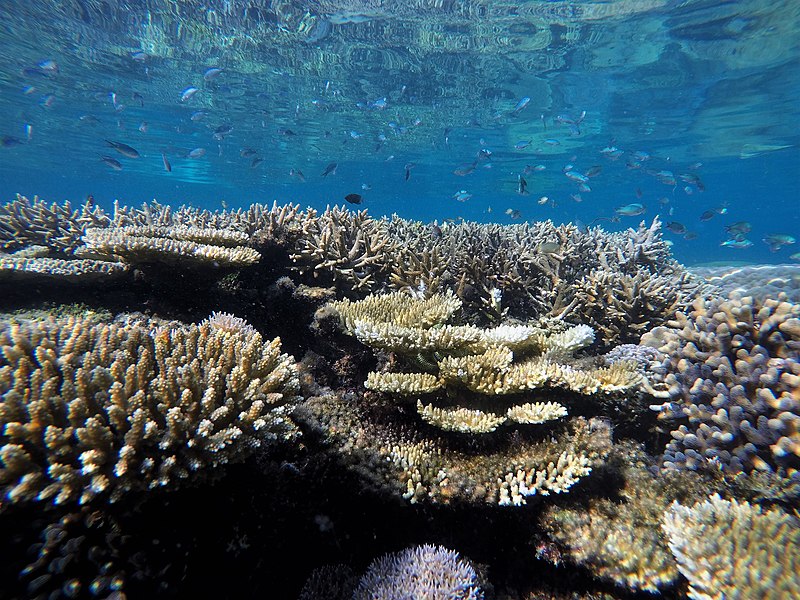
The Primary Consumers – are coral, sea turtles, and fish. The Secondary Consumers – the sharks, anemones, starfish, Baracuda, jellyfish, sea snakes, and sea slugs. The Scavengers – the fish. The Decomposers or Detritivores – are microorganisms.
The type of consumers are corals
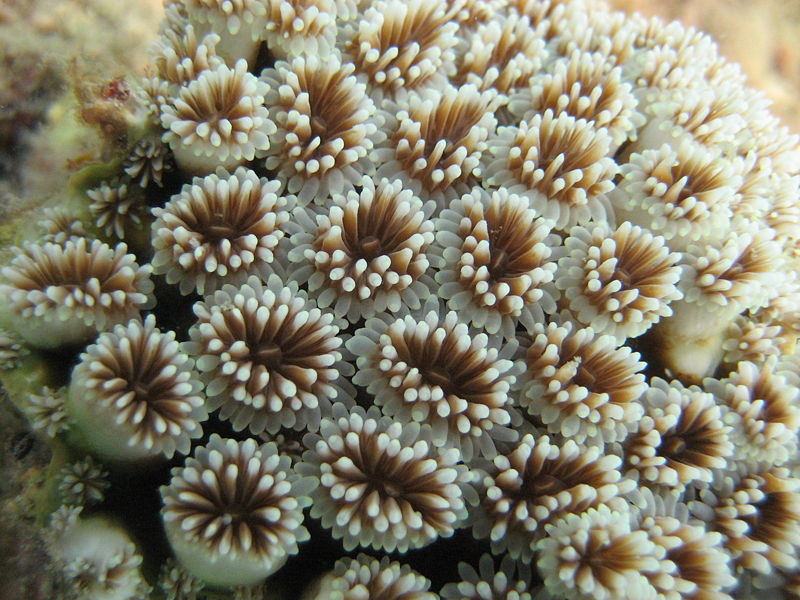
The corals get energy from the algae so in this sense are primary consumers. Corals are also secondary consumers at the third trophic level because they also eat zooplankton and other small organisms they catch with their tentacles. Zooplankton that eat phytoplankton is the primary consumer at the second trophic level.
Primary producers of coral reefs
The main benthic primary producers in coral reef systems are scleractinian corals with their endosymbiotic algae, crustose coralline algae (CCA), filamentous turf algae, fleshy macroalgae, and microphytobenthos in the upper layer of reef sediments (Odum and Odum, 1955; Hatcher, 1988).
Coral reef food web work
The Phytoplankton is consumed by Zooplankton, a primary consumer. Some secondary consumers then consume the Zooplankton: the Fan Worm, the Blue Chromis, the Sea Sponge the Coral Polyps. The Fan Worm is eaten by the tertiary consumer, the puffer fish.
Secondary consumers
These include wrasse, butterflyfish, filefish, triggerfish and goatfish, to name just a few. These small fish eat corals as well as sea worms, sea snails and crustaceans. You will see these fish picking at a reef like a bird pecks at food.
Is coral a producer consumer or decomposer?
The coral reefs and algae are producers in the coral reef. Tropical fish, shrimp, and clams are consumers in the coral reef. Ocean organisms like sharks, dolphins, and sea turtles are consumers.
Consumers of the coral reef
Some examples of primary consumers are corals, small fish, and zooplankton. Secondary consumers include crab, small fish, and clams. Tertiary consumers include larger fish, sharks, and octopuses.
Plants live in coral reefs
Besides zooxanthellae, algae and seagrasses are the main types of plants in the coral reef ecosystem. These plants give food and oxygen to the animals that live on the reef. Seagrasses are especially important because they provide shelter for juvenile reef animals like conch and lobster.
Why are coral reefs important for food?
Coral reefs provide food to millions of humans. Corals, like trees, provide three-dimensional structures and substrates to house and feed fish and other marine animals that humans eat.
What eats plankton in coral reefs?
Many coral reef animals such as clams and other sediment-feeding molluscs, soft corals, sponges, feather duster worms, tunicates, copepods and other zooplankton (including invertebrate larvae) feed directly on phytoplankton for all or at least some of their diet.
What eats algae in the coral reef?
Algae-eating parrotfish, like other herbivorous reef fish, play an important role in coral reef ecosystems by removing the algae that compete with corals.
Decomposers in the coral reef
The main decomposers inside the reef include bacteria, sea cucumbers, some species of snails, crabs and bristle worms. In the coral reef, an example of a decomposer is a sea cucumber. They also bring nutrients back into the ecosystem energy can be another cycle.
Carnivore in coral reefs
Carnivores (such as moray eels, monk seals, and sharks), prey on the herbivores, which helps to keep their population in balance. Darting among the corals are many beautifully coloured fish that have adapted to feed on both plants and animals.
Dangers to Corals
In addition to weather, corals are vulnerable to predation. Fish, marine worms, barnacles, crabs, snails and sea stars all prey on the soft inner tissues of coral polyps. In extreme cases, entire reefs can be devastated if predator populations become too high.
Despite their importance, warming waters, pollution, ocean acidification, overfishing, and physical destruction are killing coral reefs around the world.
Does coral produce its own food?
Corals are animals, though, because they do not make their own food, as plants do. Corals have tiny, tentacle-like arms that they use to capture their food from the water and sweep it into their inscrutable mouths.
Do fish eat coral?
Some fishes have an ‘obligate’ association with their coral prey, meaning the majority of their diet is centred on coral, and approximately one-third of all corallivorous fishes fall into this category. Other corallivorous fishes include coral as a measurable part of their diet but also utilise other food items.
Which fish live in coral reefs?
Many commercially important fish species, like grouper, snapper, and lobster, depend on coral reefs for food and shelter.
How do corals eat?
Corals are communal animals related to sea anemones and jellyfish. Like their cousins, they catch tiny animals (called zooplankton) using stinging tentacles that surround the single body opening that acts as both a mouth and anus.
The ecological pyramid is a graphical representation to show the relationship between various organisms at various trophic levels in an ecosystem.
The concept of the ecological pyramid was first introduced by Charles Elton in 1927.
The base of a pyramid is broad and its apex is narrow. The shape is the same for the food or energy relationship between organisms at different tropic levels. The relationship between food and energy between organisms at various trophic levels is expressed in terms of number, biomass or energy.
By Swiggity.Swag.YOLO.Bro – Extracted from this Commons file, CC BY-SA 4.0, https://commons.wikimedia.org/w/index.php?curid=85276916
The base of the pyramid represents producers (First tropic Level). The apex represents tertiary consumers (top-level consumers).
Usually, 3 Types of Pyramids are studied they are:
Pyramid of Number
Pyramid of Biomass
Pyramid of Energy
Pyramid of Number
Pyramid of Numbers in Grassland Ecosystem.
A pyramid of numbers is a graphical representation of the number of organisms at each trophic level in an ecosystem. The base of the pyramid represents the producers, which are the organisms that make their own food, such as plants. The next level of the pyramid represents the primary consumers, which are the organisms that eat the producers, such as herbivores. The next level represents the secondary consumers, which are the organisms that eat the primary consumers, such as carnivores. The pyramid can continue to higher levels, but the number of organisms typically decreases at each level.
There are three main types of pyramids of numbers:
Upright pyramid: This is the most common type of pyramid of numbers, and it shows that there are typically more producers than primary consumers, more primary consumers than secondary consumers, and so on.
Inverted pyramid: This type of pyramid of numbers is less common, and it shows that there are fewer producers than primary consumers, fewer primary consumers than secondary consumers, and so on.
Partially upright pyramid: This type of pyramid of numbers is the most common in terrestrial ecosystems, and it shows that there are typically more producers than primary consumers, but fewer primary consumers than secondary consumers.
The shape of a pyramid of numbers can be affected by a number of factors, including the size and reproductive rate of the organisms at each trophic level, the efficiency of energy transfer between trophic levels, and the environmental conditions in the ecosystem.
Here is an example of a pyramid of numbers for a grassland ecosystem:
Only three top carnivores could be supported in an ecosystem of nearly 6 Million plants.
Pyramid of Biomass
Pyramid of Biomass
In the Pyramid of Biomass, there is a sharp decrease in biomass at higher trophic levels.
A biomass pyramid is a graphical representation of the total mass of living organisms at each trophic level in an ecosystem. Biomass is typically measured in grams or kilograms per square meter or per cubic meter.
The base of the pyramid represents the producers, which are the organisms that make their own food, such as plants. The next level of the pyramid represents the primary consumers, which are the organisms that eat the producers, such as herbivores. The next level represents the secondary consumers, which are the organisms that eat the primary consumers, such as carnivores. The pyramid can continue to higher levels, but the total biomass typically decreases at each level.
There are three main types of pyramids of biomass:
Upright pyramid: This is the most common type of pyramid of biomass, and it shows that there is typically more biomass at lower trophic levels than at higher trophic levels. This is because only a small fraction of the energy that is captured by the producers is actually transferred to the next trophic level.
Inverted pyramid: This type of pyramid of biomass is less common, and it shows that there is more biomass at higher trophic levels than at lower trophic levels. This is typically only seen in marine ecosystems, where the producers, such as phytoplankton, are very small and very efficient at capturing energy from sunlight.
Partially upright pyramid: This type of pyramid of biomass is the most common in terrestrial ecosystems, and it shows that there is typically more biomass at lower trophic levels than at higher trophic levels, but the difference is not as great as in an upright pyramid.
The shape of a pyramid of biomass can be affected by a number of factors, including the size and reproductive rate of the organisms at each trophic level, the efficiency of energy transfer between trophic levels, and the environmental conditions in the ecosystem.
Here is an example of a pyramid of biomass for a grassland ecosystem:
As you can see, there is more biomass at lower trophic levels than at higher trophic levels. This is an example of an upright pyramid of biomass.
Pyramids of biomass are a useful tool for understanding the relationships between different trophic levels in an ecosystem. They can also be used to identify potential problems in an ecosystem, such as an overpopulation of a particular species.
Inverted Pyramid of Biomass
Inverted Pyramid of Biomass
In the inverted pyramid of biomass, a very small crop of phytoplankton supports large zooplankton.
In contrast to the typical pyramid of biomass, where the biomass of producers at the base of the food chain is greater than the biomass of consumers at higher levels, an inverted pyramid of biomass occurs when the biomass of consumers exceeds the biomass of producers. This phenomenon is most commonly observed in aquatic ecosystems, particularly in marine environments.
Several factors contribute to the occurrence of inverted pyramids of biomass in aquatic ecosystems:
Rapid Growth and Short Lifespan of Producers: Phytoplankton, the primary producers in marine ecosystems, have a rapid growth rate and a short lifespan. They efficiently capture energy from sunlight and quickly convert it into biomass. This rapid turnover of phytoplankton contributes to a large standing stock of biomass despite their small size.
Efficient Energy Transfer: Zooplankton, the primary consumers in marine ecosystems, are highly efficient at capturing and utilizing the energy from phytoplankton. They consume a significant portion of the phytoplankton biomass, leading to a relatively high biomass of zooplankton compared to phytoplankton.
Detritus-Based Food Webs: Marine ecosystems often have a substantial detritus-based food web, where organic matter from dead organisms serves as a food source for detritus feeders. Detritus feeders, such as crustaceans and worms, contribute to the overall biomass of consumers in the ecosystem.
Biomass Accumulation in Long-Lived Consumers: In some marine ecosystems, top predators, such as large fish or sharks, can have a long lifespan and accumulate substantial biomass over time. This can contribute to an inverted pyramid of biomass, as the biomass of these top predators may exceed the combined biomass of all lower trophic levels.
Examples of inverted pyramids of biomass include:
Upwelling Ecosystems: In upwelling ecosystems, nutrient-rich water from deeper ocean layers rises to the surface, stimulating phytoplankton growth. This leads to a large abundance of phytoplankton, which supports a high biomass of zooplankton and other consumers.
Coral Reef Ecosystems: Coral reefs provide a complex habitat that supports a diverse array of organisms, including a large biomass of zooplankton and fish. The rapid growth and turnover of coral reef organisms contribute to an inverted pyramid of biomass.
Inverted pyramids of biomass highlight the unique characteristics of aquatic ecosystems and the importance of efficient energy transfer within these systems. They also demonstrate the role of detritus-based food webs and the impact of long-lived top predators on the overall structure of the ecosystem.
Pyramid of Energy
Pyramid of energy
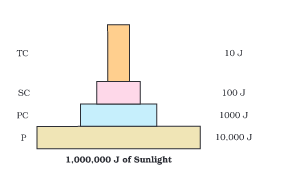
The primary producers utilize and convert only 1% of the energy in the sunlight into NPP.
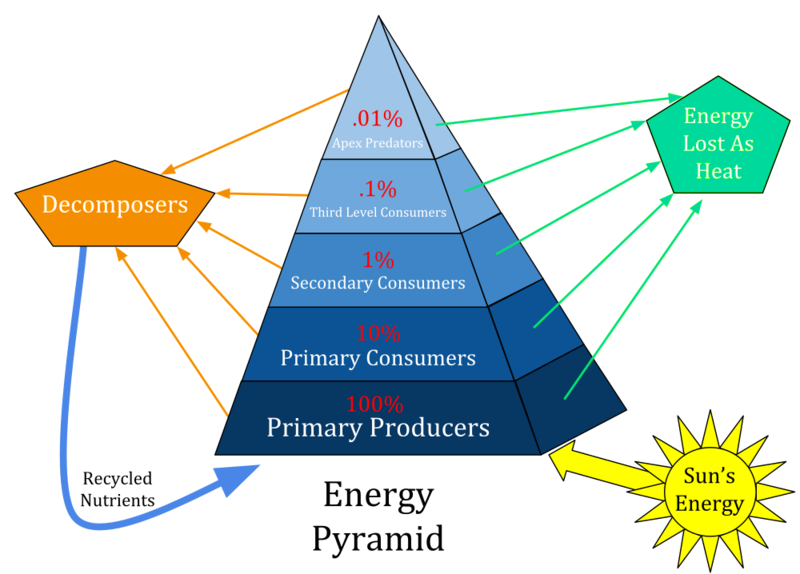
An energy pyramid, also known as an ecological pyramid, is a graphical representation of the flow of energy within a food chain or ecosystem. It depicts the transfer of energy from one trophic level to the next, starting with the primary producers at the base of the pyramid and moving up to secondary consumers, tertiary consumers, and apex predators at the top.
The energy pyramid illustrates the fundamental principle of ecology that energy cannot be created or destroyed, only transferred and transformed. As energy moves up the pyramid, a significant portion is lost at each level due to respiration, excretion, and other metabolic processes. Therefore, the amount of energy available to higher trophic levels diminishes as we move from the base to the top of the pyramid.
Characteristics of Energy Pyramids:
Uni-directional flow: Energy flows in one direction, from producers to consumers.
Decreasing energy: The amount of energy available decreases at each trophic level.
Limited transfer efficiency: Only a small fraction of energy (typically 10-20%) is transferred from one level to the next.
Ecological stability: Energy pyramids reflect the stability and balance of an ecosystem.
Types of Energy Pyramids:
Upright Pyramid: The most common type, representing the general pattern of energy flow in most ecosystems.
Inverted Pyramid: Less common, typically found in marine ecosystems where phytoplankton are highly efficient energy capturers.
Partially Upright Pyramid: Combines features of upright and inverted pyramids, often seen in terrestrial ecosystems.
Significance of Energy Pyramids:
Understanding energy flow: Energy pyramids provide a visual representation of energy transfer within ecosystems.
Predicting ecological impacts: Changes in energy pyramid structure can indicate ecological disturbances or imbalances.
Guiding human interventions: Energy pyramids inform sustainable resource management and conservation practices.
Demonstrating ecological principles: Energy pyramids illustrate the concept of energy flow and the interconnectedness of organisms within an ecosystem.
Calculation of Energy Content
When calculating the energy content, the numbers of biomass. One needs to include all the organisms at that particular tropic level. If we take only a few individuals at any tropic level or generalisation will not give current values.
The important thing is trophic level represents a functional level, not a species.
Species with multiple tropical levels
For example, Sparrow is a primary consumer, when it consumes fruits, peas etc. The same sparrow becomes a secondary consumer when it consumes insects and worms. Similarly, humans are part of multiple trophic levels.
Many species occupy multiple trophic levels within an ecosystem, meaning they derive sustenance from different sources across various levels of the food chain. This adaptability and flexibility allow them to thrive in diverse environments and contribute to the stability of ecological systems.
Here are some examples of species that occupy multiple trophic levels:
Giant Panda: Primarily herbivorous, consuming bamboo as their main food source, giant pandas occasionally scavenge for small mammals, insects, and eggs, placing them in both primary and secondary consumer roles.
Salmon: Salmon undergo a remarkable transformation throughout their life cycle. As juveniles in freshwater, they feed on plankton as primary consumers. Upon migrating to the ocean, they transition to a predatory diet, consuming fish and crustaceans as secondary consumers.
Omnivores: By definition, omnivores occupy multiple trophic levels, consuming both plant and animal matter. Humans, raccoons, bears, and many birds are examples of omnivores.
Parasitic Organisms: Parasites extract nutrients and energy from their hosts, effectively occupying two trophic levels simultaneously. Tapeworms, leeches, and fleas are examples of parasites.
Detritivores: Detritivores derive sustenance from decaying organic matter, breaking down detritus and recycling nutrients back into the ecosystem. Earthworms, vultures, and many insects are detritivores.
These examples demonstrate the diverse strategies employed by species to occupy multiple trophic levels. These adaptations allow them to exploit various food sources, enhance their survival, and contribute to the complex web of interactions within ecosystems.
The ecological pyramid is always upright
In most ecosystem, the Pyramids of Biomass, energy, and number is always upright. For example,
Producers are more in number and biomass than the herbivores,
Herbivores are more in number and biomass than carnivores.
But importantly, there are exceptions. Such as insects feeding on trees. The number of insects is very high.
Also, the pyramid of biomass in the sea is generally inverted. The biomass of fishes exceeds the phytoplankton.
Pyramid of Energy is always Upright
The pyramid of energy is always upright and it is never inverted. This is because the energy flows from a particular trophic level to the next trophic level. As a result, some energy is always lost as heat at every step.
Each bar in the energy pyramid indicates the amount of energy present at each trophic level at a given time or annually per unit area.
Conclusion
However, there are some limitations of ecological pyramids. As it does not take into account the same species belonging to two or more trophic levels.
Also, the ecological pyramid assumes a simple food chain that never exists in nature and it does not accommodate a food web.
Also, saprophytes are not given any place in ecological pyramids even though they have an important role in the ecosystem.
An aquatic zone is a region of a body of water that is characterized by its physical and biological features. Aquatic zones can be divided into a number of different types, based on factors such as depth, sunlight availability, and substrate type.
Some of the most common types of aquatic zones include:
The littoral zone
The littoral zone, also referred to as the litoral or nearshore zone, is the area of a sea, lake, or river situated close to the shore. In coastal ecology, this zone encompasses the intertidal region, stretching from the high water mark rarely submerged to areas that remain permanently underwater, known as the foreshore. While the terms “littoral zone” and “intertidal zone” are sometimes used interchangeably, the geographical definition of the littoral zone extends beyond the intertidal region, including all neritic waters within the limits of continental shelves.
The pelagic zone: This is the open water of a lake or ocean. It is characterized by a lack of sunlight and a high abundance of plankton.
The benthic zone: This is the bottom of a lake or ocean. It is characterized by a lack of sunlight and a high abundance of benthic organisms, such as worms, clams, and fish.
Aquatic zones are important habitats for a wide variety of organisms. They provide food, shelter, and breeding grounds for many different species of fish, algae, and invertebrates. Aquatic zones also play an important role in the global water cycle and the regulation of the Earth’s climate.
Here are some of the factors that can affect the characteristics of an aquatic zone:
Depth: The depth of a body of water affects the amount of sunlight that reaches the bottom. This, in turn, affects the types of organisms that can live in the zone.
Sunlight availability: The amount of sunlight that reaches a body of water affects the types of plants that can grow in the zone.
Substrate type: The type of substrate at the bottom of a body of water affects the types of organisms that can live in the zone. For example, sandy substrates are more likely to support burrowing organisms, while rocky substrates are more likely to support sessile organisms.
Turbidity: Turbidity is the amount of suspended particles in a body of water. Turbid water blocks sunlight, which can affect the types of organisms that can live in the zone.
Temperature: The temperature of a body of water affects the types of organisms that can live in the zone. For example, cold water is more likely to support fish species that are adapted to cold temperatures.
Aquatic zones are important and diverse ecosystems that play a vital role in the Earth’s environment. By understanding the different types of aquatic zones and the factors that affect them, we can better understand the importance of these ecosystems and how to protect them.
This is a simple food chain that can be found in many different ecosystems. The grass is the producer, the rabbit is the primary consumer, the fox is the secondary consumer, and the wolf is the tertiary consumer.
Kelp → Krill → Fish → Seal → Killer whale
This is a food chain that can be found in the ocean. The kelp is the producer, the krill are the primary consumers, the fish are the secondary consumers, the seal is the tertiary consumer, and the killer whale is the quaternary consumer.
Tree → Caterpillar → Bird → Snake → Hawk
This is a food chain that can be found in forests. The tree is the producer, the caterpillar is the primary consumer, the bird is the secondary consumer, the snake is the tertiary consumer, and the hawk is the quaternary consumer.
Cacti → Insects → Lizard → Hawk
This is a food chain that can be found in deserts. The cacti are the producers, the insects are the primary consumers, the lizards are the secondary consumers, and the hawk is the tertiary consumer.
Plankton → Small fish → Large fish → Shark
This is a food chain that can be found in the ocean. The plankton are the producers, the small fish are the primary consumers, the large fish are the secondary consumers, and the shark is the tertiary consumer.
Energy flow in an ecosystem refers to the transfer of energy through various trophic levels, from producers to consumers and decomposers. It starts with solar energy captured by plants through photosynthesis, which is then passed on to herbivores and carnivores through feeding relationships.
Decomposers break down organic matter, returning essential nutrients to the soil, completing the cycle. Understanding energy flow is crucial to studying ecosystem dynamics, as it helps explain how organisms interact, maintain balance, and sustain life. In this blog, we’ll explore the various stages of energy flow and its importance in maintaining ecological equilibrium.
Photosynthetically Active Radiation
Except for the deep sea hydro-thermal ecosystem, sun is the only source of energy for all ecosystems on Earth. Of the incident solar radiation less than 50 per cent of it is photosynthetically active radiation (PAR). We know that plants and photosynthetic bacteria (autotrophs), fix Sun’s radiant energy to make food from simple inorganic materials.
Plants capture only 2-10 per cent of the PAR and this small amount of energy sustains the entire living world. So, it is very important to know how the solar energy captured by plants flows through different organisms of an ecosystem. All organisms are dependent for their food on producers, either directly or indirectly.
So you find unidirectional flow of energy from the sun to producers and then to consumers. Is this in keeping with the first law of thermodynamics?
Further, ecosystems are not exempt from the Second Law of thermodynamics. They need a constant supply of energy to synthesise the molecules they require, to counteract the universal tendency toward increasing disorderliness.
The green plant in the ecosystem are called producers. In a terrestrial ecosystem, major producers are herbaceous and woody plants. Likewise, producers in an aquatic ecosystem are various species like phytoplankton, algae and higher plants.
Starting from the plants (or producers) food chains or rather webs are formed such that an animal feeds on a plant or on another animal and in turn is food for another. The chain or web is formed because of this interdependency. No energy that is trapped into an organism remains in it for ever.
The energy trapped by the producer, hence, is either passed on to a consumer or the organism dies. Death of organism is the beginning of the detritus food chain/web.
All animals depend on plants (directly or indirectly) for their food needs. They are hence called consumers and also heterotrophs. If they feed on the producers, the plants, they are called primary consumers, and if the animals eat other animals which in turn eat the plants (or their produce) they are called secondary consumers. Likewise, you could have tertiary consumers too.
Obviously the primary consumers will be herbivores. Some common herbivores are insects, birds and mammals in terrestrial ecosystem and molluscs in aquatic ecosystem. The consumers that feed on these herbivores are carnivores, or more correctly primary carnivores (though secondary consumers). Those animals that depend on the primary carnivores for food are labelled secondary carnivores. A simple grazing food chain (GFC) is depicted below:
Energy flow in the ecosystem Upsc
These producers and consumers can be organized into the food chains and food web. These food chains are organized into trophic pyramids
Energy flow is The detritus food chain (DFC) begins with dead organic matter. It is made up of decomposers which are heterotrophic organisms, mainly fungi and bacteria. They meet their energy and nutrient requirements by degrading dead organic matter or detritus.
These are also known as saprotrophs (sapro: to decompose). Decomposers secrete digestive enzymes that breakdown dead and waste materials into simple, inorganic materials, which are subsequently absorbed by them.
In an aquatic ecosystem, GFC is the major conduit for energy flow. As against this, in a terrestrial ecosystem, a much larger fraction of energy flows through the detritus food chain than through the GFC. Detritus food chain may be connected with the grazing food chain at some levels:
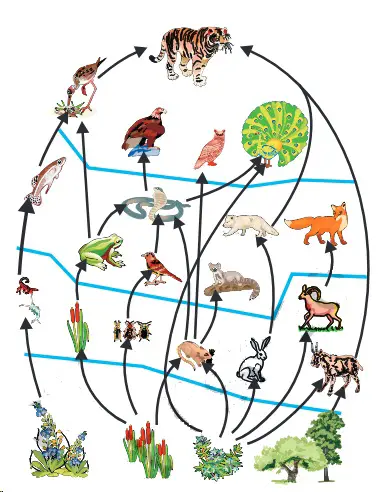
some of the organisms of DFC are prey to the GFC animals, and in a natural ecosystem, some animals like cockroaches, crows, etc., are omnivores. These natural interconnection of food chains make it a food web.
How would you classify human beings! Organisms occupy a place in the natural surroundings or in a community according to their feeding relationship with other organisms.
Based on the source of their nutrition or food, organisms occupy a specific place in the food chain that is known as their trophic level. Producers belong to the first trophic level, herbivores (primary consumer) to the second and carnivores (secondary consumer) to the third.
Energy flow is unidirectional
The important point to note is that the amount of energy decreases at successive trophic levels. When any organism dies it is converted to detritus or dead biomass that serves as an energy source for decomposers.
Organisms at each trophic level depend on those at the lower trophic level for their energy demands.
Each trophic level has a certain mass of living material at a particular time called as the standing crop. The standing crop is measured as the mass of living organisms (biomass) or the number in a unit area. The biomass of a species is expressed in terms of fresh or dry weight. Measurement of biomass in terms of dry weight is more accurate.
Why? The number of trophic levels in the grazing food chain is restricted as the transfer of energy follows 10 per cent law – only 10 per cent of the energy is transferred to each trophic level from the lower trophic level. In nature, it is possible to have so many levels – producer, herbivore, primary carnivore, secondary carnivore in the grazing food chain (Figure 14.3) .
Do you think there is any such limitation in a detritus food chain?
Component
Description
Energy Source
Producers (Autotrophs)
Organisms that convert solar energy into chemical energy through photosynthesis (e.g., plants, algae).
Sunlight
Primary Consumers
Herbivores that feed directly on producers to obtain energy (e.g., deer, insects, rabbits).
Chemical energy stored in plants
Secondary Consumers
Carnivores or omnivores that feed on primary consumers (e.g., snakes, frogs).
Energy from primary consumers
Tertiary Consumers
Top-level carnivores that feed on secondary consumers (e.g., hawks, lions).
Energy from secondary consumers
Decomposers
Organisms that break down dead matter and waste, recycling nutrients back into the ecosystem (e.g., fungi, bacteria).
Residual energy from organic matter
Energy Transfer Efficiency
The transfer of energy between trophic levels, typically only 10% of energy is passed on to the next level (the rest is lost as heat).
Solar energy converted into biomass
Energy Pyramid
Visual representation showing energy decreases at each trophic level in an ecosystem.
Base (Producers) → Apex (Top predators)
This framework illustrates the unidirectional flow of energy, governed by the laws of thermodynamics, ensuring the continuous functioning of ecosystems.
* * All the Notes in this blog, are referred from Tamil Nadu State Board Books and Samacheer Kalvi Books. Kindly check with the original Tamil Nadu state board books and Ncert Books.