Types of soil found in Tamil Nadu
Tamil Nadu state is located in the southernmost part of the Indian subcontinent. It consists of several hills, plateaus, rivers,s and several types of soils. Types of soil are based on their physiography, such as hills, plateaus, coastal lines, rivers, etc.
Also, the soil of a place depends on factors like climate, parent rocks, and vegetative cover of the respective places.
As Tamil Nadu heavily depends on agriculture and its allied industry, it is important to study the soils, their nature, and distribution for better administration.
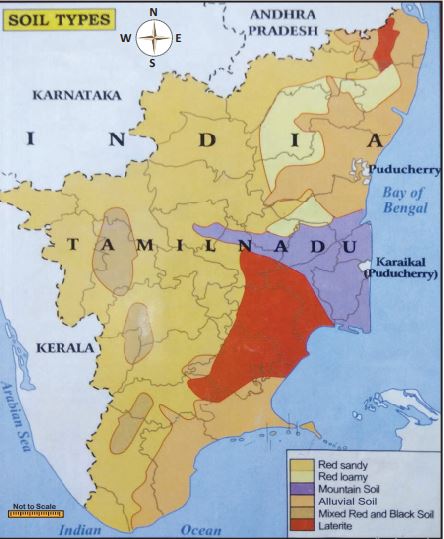
Types of Soil in Tamil Nadu
Alluvial, Black, Red, Laterite, and Saline Soil
The Tamilnadu Agriculture University classifies primarily 4 Types of soil present in Tamilnadu, they are
- Red soils (62 per cent)
- Black soils (12 per cent)
- Laterite soils (3 per cent) and
- Coastal soils (7 per cent)
Alluvial Soil
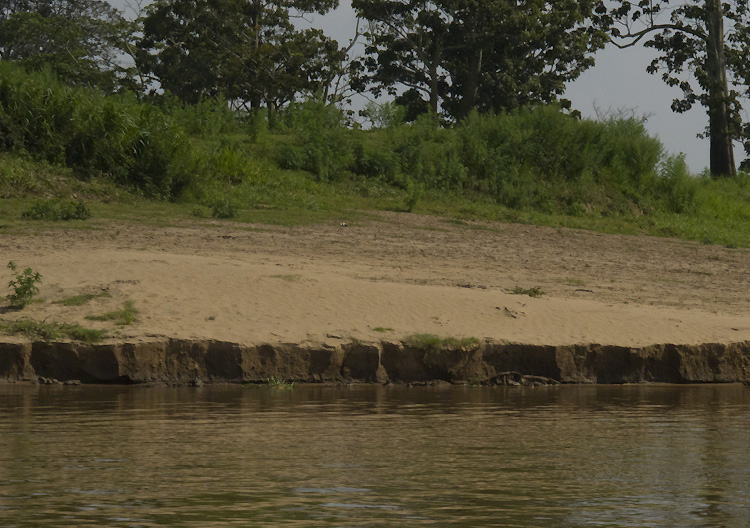
Alluvial soils are formed by the deposition of silt by the rivers. It is most fertile as it is rich in minerals such as lime, potassium, magnesium, nitrogen, and phosphoric acid, but it is deficient in nitrogen and phosphoric acid.
It is porous and loamy. The supported crops are Paddy, sugarcane, banana, and turmeric. Basically, it is found along the river valleys and coastal plains of Tamil Nadu.
It is found in the districts of Thanjavur, Tiruvarur, Nagapattinam, Villupuram, Cuddalore, Tirunelveli, and Kanyakumari, and along the river valleys in a few interior districts.
The Tamil Nadu Agriculture University site did not mention the alluvial soil percentage, but it should be somewhere around 3 to 6%.
Black Soil
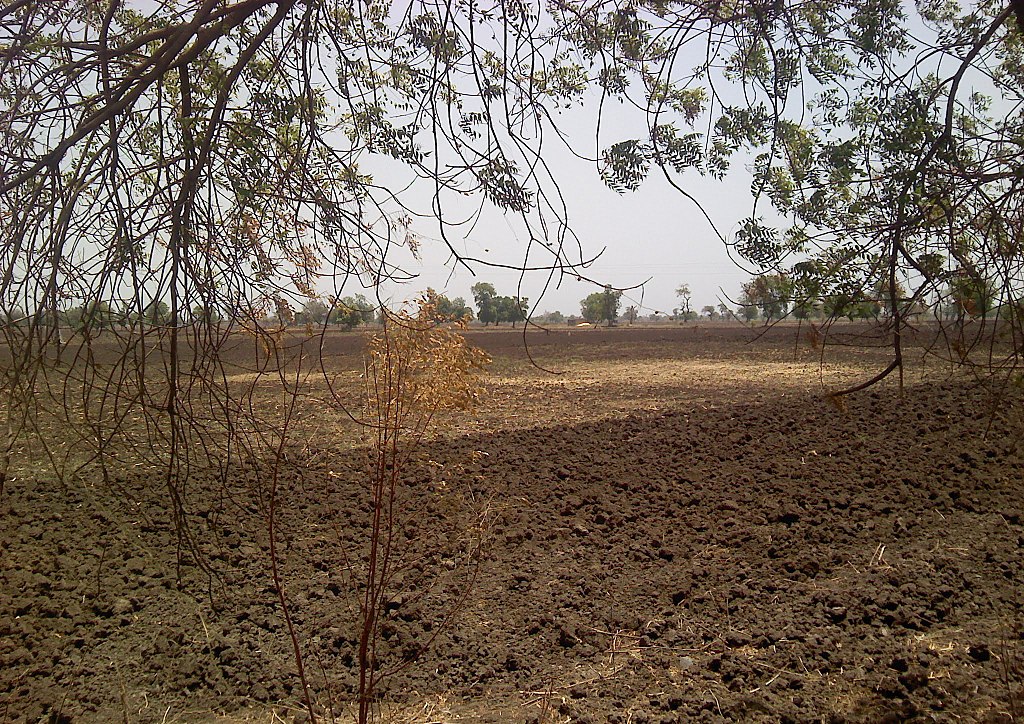
Black soil is formed by the weathering of igneous rocks. It is also called Regur Soil. This is developed over the Deccan lava granite region under semiarid conditions.
It is fine-textured and clayey in nature; it is poor in phosphoric acid, nitrogen, and organic matter. The main minerals found in this soil are calcium, magnesium, carbonates, potash, and lime.
As cotton grows well in it, it is also called black cotton soil. The major crops cultivated in it are Cotton, sorghum, cumbu, and fodder crops.
Also, it is one of the important types of soil found in Tamil Nadu as it occupies 12% of the total soil. It is distributed across the districts of Coimbatore, Madurai, Virudhunagar, Tirunelveli, and Thoothukudi.
Red Soil
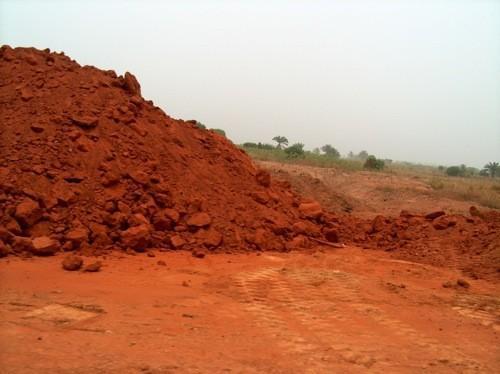
Red soils cover over two-thirds of the total area of Tamil Nadu. It is found mostly in the central districts of the state. It is sandy and loamy in texture. However, the characteristics of red soils change based on their formation and the climatic conditions under which it is formed.
It is porous, friable, and non-retentive to moisture. It is red in colour due to the presence of a high concentration of Iron oxides.
It is poor in nitrogen, phosphorus, acidic and humus. Almost all the crops can be cultivated in it with the application of manure and irrigation facilities.
It is the most important type of soil found in Tamil Nadu, as it is present in 62% of Tamil Nadu. It is distributed in the districts of Sivagangai, Ramanathapuram, etc.
The crops grown in it are Paddy, Ragi, Tobacco, and Vegetables.
Laterite Soil
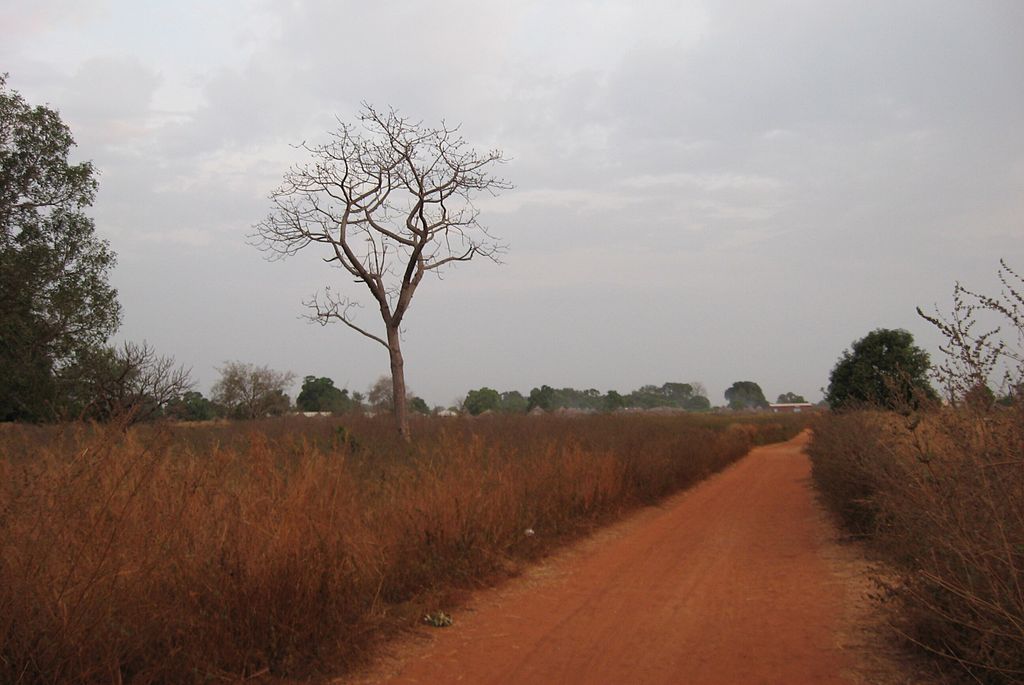
Laterite is derived from the Latin word ‘Later’, which means brick. This develops in areas where the temperature is high and there is high rainfall. It is formed by the process of intense leaching.
As the rain washes away the lime and silica, it is left with Iron oxide and aluminium compounds.
Also, its humus content is removed quickly by bacteria that thrive well in high temperatures. As a result, these are poor in organic matter, nitrogen, phosphate, and calcium.
But it has excess Iron oxide and potash. Hence, it is not suitable for agriculture. But by using manure and fertilisers, cultivation can be made.
It supports paddy, ginger, pepper, cashew nuts, and plantains. Also, it is suitable for the cultivation of tea and coffee plants. Also, it is widely used to cut bricks for construction.
It is found in some parts of the Kancheepuram, Tiruvallur, and Thanjavur districts. Also in the mountainous region of the Nilgiris.
Saline Soil
It contains a large proportion of sodium, potassium, and magnesium; as a result, they are infertile and do not support vegetative growth. Also, it lacks nitrogen and calcium.
Because of poor drainage and a dry climate, they have more salt. Its nature ranges from sandy to loamy.
Seawater intrusion in deltas promotes saline soils. Also, in the area that promotes intensive agriculture using intensive irrigation, saline soil is formed due to capillary action that brings salts to the top.
To solve the problem of salinity, the farmer is advised to use Gypsum in the soil.
These are confined to the Coromandel coast. Saline soils in Tamil Nadu are confined to the Coromandel coast. Vedaranyam has a pocket of saline soil.
However, the tsunami waves on December 26, 2004, brought a lot of sand and deposited it all along the east coast of Tamil Nadu. The tsunami made the coastal areas unsuitable for cultivation to a considerable extent.
Soil Erosion
It is a non-renewable resource, and it is very difficult to replace the soil once it is degraded or washed away.
The factors responsible for erosion are deforestation, overgrazing, urbanisation, and heavy rains and floods.
The problem with soil erosion is affecting the natural vegetation, the rate of ecological succession, and agricultural productivity.
As of now, the Desertification of Tamil Nadu is a major problem. According to the desertification atlas prepared by the ISRO, about 12% of the total geographical area is under desertification and land degradation.
Theni, the Nilgiris, and Kanyakumari are the worst-affected districts where about 12,000 hectares (120 Sq.km) were affected by sand deposition in Theni and Rajapalayam.
Reference
